Marek Veyl
Why a Surveillance Thriller Feels Plausible Without Predicting the Future
Signal Black doesn't rely on futuristic gadgets. The suspense comes from familiar systems working exactly as designed while producing the wrong conclusion about a person. Clean data, institutional trust, and one woman's search for her missing brother create a grounded, unsettling thriller.
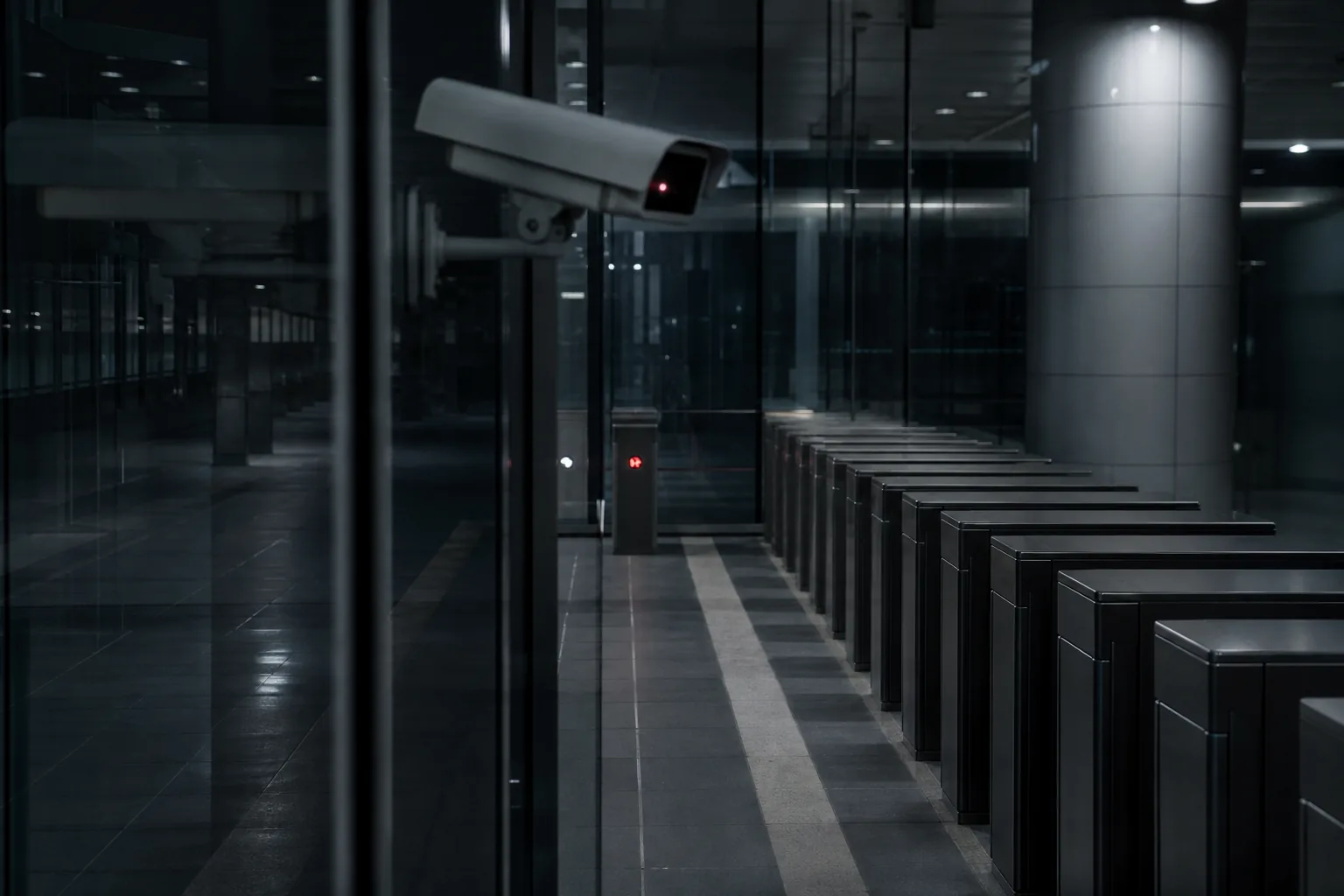
The most unsettling technology in a thriller isn't always the device that can do the impossible.
Sometimes it's the familiar system that performs exactly as designed—while producing the wrong conclusion about a human life.
That tension sits at the center of Signal Black. The novel begins with a disappearance and a contradiction: Daniel Ellison is missing, but the records around his work remain orderly. His status looks normal. His credentials keep appearing. The systems meant to describe reality offer no reason to worry.
Clean data can create suspense
A broken alarm is easy to distrust. A clean report is harder. When a record looks complete and consistent, people may treat that appearance as evidence that nothing unusual happened.
For compliance auditor Mara Ellison, the problem isn't a spectacular machine failure. It's a pattern that's too smooth. Her professional instinct is to inspect discontinuities: the places where one process says a person is present while another part of life says he's gone.
The reader doesn't need a lecture about futuristic hardware to understand the danger. The stakes come from a recognizable question: what happens when an institution trusts its record more than the person standing in front of it?
Institutions make the technology matter
Technology alone doesn't create authority. Contracts, approvals, access controls, reporting lines, and ordinary decisions determine what a system can do. That's why Signal Black places workforce analytics beside municipal infrastructure and compliance work.
The suspense grows through the gap between technical signals and institutional response. A login can be recorded. A status can be assigned. A clean dashboard can make a troubling event look routine. The thriller asks who benefits from that routine—and who is expected to accept it.
Human stakes keep the story grounded
Mara isn't investigating an abstract model. She's searching for her younger brother. Her training pushes her toward procedure and proof; her relationship to Daniel makes delay personal. Every record she checks has two meanings: a line in a system and a clue about someone she knows.
That combination keeps the premise from becoming a catalogue of gadgets. The technology shapes the problem, but loyalty, fear, judgment, and institutional power drive the choices.
A question to carry into the novel
Think about the last system that confirmed your identity, access, employment, or location. What did it actually know? What did other people assume it knew? The distance between those two answers is where this kind of suspense begins.
This article reveals only the opening premise. It does not identify who is responsible, explain the full 03:17 pattern, or disclose the outcome of Mara's investigation.